
Everest View Pikey Peak Trek
Trip Introduction
Everest View Pikey Peak Trek
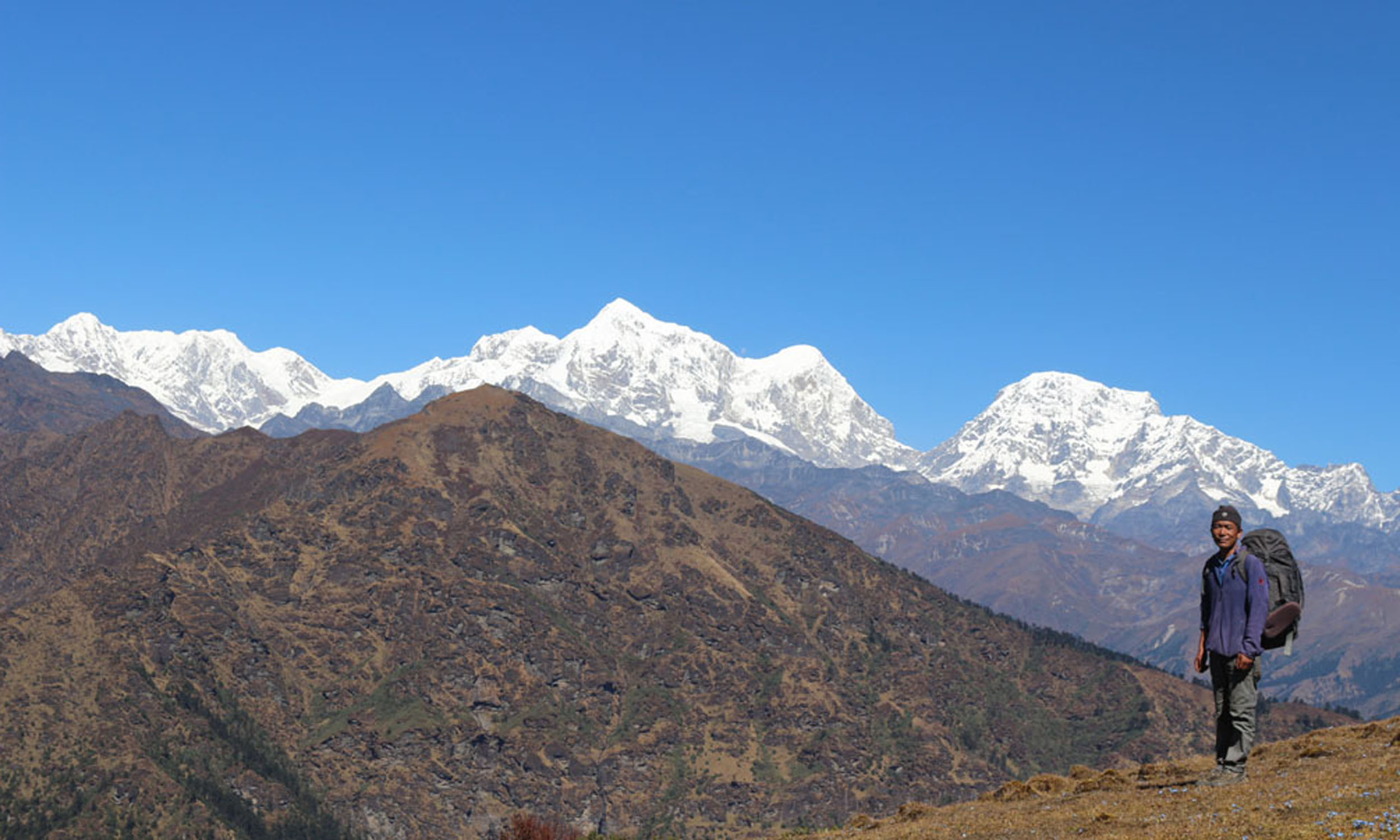
The Everest View Pikey Peak Trek is one of Nepal’s best short Everest-view treks. Located in the lower Solu region of the Everest area, it offers spectacular sunrise views of Mount Everest and many other Himalayan giants without the crowds of the Everest Base Camp trail. Sir Edmund Hillary reportedly described Pikey Peak as one of his favorite viewpoints of Everest.
Trek Highlights Everest View Pikey Peak Trek
• Sunrise from Pikey Peak (4,065 m)
• Panoramic views of Mount Everest, Lhotse, Makalu, Cho Oyu, and on clear days even Kanchenjunga and Manaslu.
• Authentic Sherpa culture and traditional villages.
• Visit to Junbesi and nearby monasteries.
• Less crowded trails compared with Everest Base Camp.
• No Lukla flight required; access is possible by road from Kathmandu.
5 Days Everest View Pikey Peak Trek Itinerary
Day 1: Drive Kathmandu → Dhap (2,850 m)
Drive Duration: 8–10 hours
Distance: Approximately 230 km
Starting Point: Kathmandu
Destination: Dhap
Elevation Gain: 1,500 m (approx.)
Your Pikey Peak Trek begins with a scenic drive from Kathmandu to Dhap, a small Sherpa settlement in the lower Everest region. The journey follows the BP Highway through rolling hills, terraced farmland, rivers, and traditional villages before entering the Solukhumbu region.
Day 2: Trek from Dhap to Jhapre (2,920 m)
Trek Duration: 4–5 hours
Distance: Approximately 10–12 km
Starting Elevation: 2,850 m (Dhap)
Ending Elevation: 2,920 m (Jhapre)
Elevation Gain: ~70 m
After breakfast in Dhap, the trail climbs gradually along a ridge with excellent mountain scenery. You pass small villages and cultivated farmlands before reaching Jhapre, a charming settlement known for its monastery and panoramic viewpoints. The route is relatively easy, making it an ideal acclimatization day before heading to higher elevations on the Pikey Peak trek.
Day 3: Trek Jhapre → Pikey Peak Base Camp (3,640 m)
Walking Duration: 5–6 hours
Distance: Approximately 10–12 km
Elevation Gain: About 720 m
Overnight Altitude: 3,640 m
After enjoying the sunrise views from Jhapre, the trail gradually ascends through rhododendron forests, yak pastures, and open alpine landscapes toward Pikey Peak Base Camp. As you gain altitude, spectacular mountain panoramas begin to emerge, including views of the Himalayan range stretching from east to west.
Day 4: Pikey Peak Summit (4,065 m) → Junbesi (2,700 m)
• Early morning hike to Pikey Peak for sunrise
• Spectacular views of Everest, Lhotse, Makalu, Kanchenjunga, Manaslu, and Annapurna ranges
• Descend through forests and villages to Junbesi
• Trek duration: 7–8 hours
• Overnight at Junbesi
This is the longest and most rewarding day of the Pikey Peak trek, combining a sunrise summit experience with a long descent into the beautiful Sherpa village of Junbesi.You usually start before dawn (around 3:30–4:00 AM) from Pikey Peak Base Camp or nearby lodges. The climb to the summit is gradual but can feel tough due to altitude.
Day 5: Junbesi to Phaplu Salleri
• Sherpa villages & monasteries
• Terraced farmlands
• Views of Numbur Himal (on clear days)
• Local teahouses for food & rest
• Junbesi → Phaplu: ~14–16 km (5–6 hours walking)
• Phaplu → Salleri: ~3–5 km (1–1.5 hours walking or short jeep ride) The trek from Junbesi → Phaplu → Salleri is a pleasant descent route in the lower Solu region of the Everest area, often used to exit after the Pikey Peak trek.
Day 6: Phaplu Salleri to Kathmandu drive
The drive from Phaplu / Salleri to Kathmandu is a scenic but long mountain journey through the lower Solukhumbu region into the mid-hills and finally the capital valley.
• Distance: ~270–320 km (depends on exact road taken)
• Travel time: 9–11 hours
• Usually done in one long jeep/bus ride or split into stops
Best time for Everest View Pikey Peak Trek
The best time for the Everest View Pikey Peak Trek is mainly during the two stable trekking seasons in Nepal:
1. Autumn (September to November) — Best overall
• Clearest mountain views (best Everest visibility)
• Dry, stable weather after monsoon
• Comfortable day time temperatures
• Excellent sunrise views from Pikey Peak (4,065 m)
Best months: October and early November
This is when you get the sharpest Himalayan panorama, including Everest, Makalu, and Kanchenjunga on clear days.
________________________________________
2. Spring (March to May) — Second best / most beautiful
• Rhododendron forests in full bloom
• Pleasant temperatures for walking
• Generally good visibility (slightly hazy compared to autumn)
Best months: April (and late March)
Great for photography, nature, and colorful trails.
________________________________________
3. Winter (December to February) — Quiet but cold
• Very clear skies on good days
• Snow possible near summit
• Fewer trekkers, peaceful trails
• Cold nights at high altitude
Good if you want solitude and don’t mind cold conditions.
________________________________________
4. Monsoon (June to August) — Least recommended
• Heavy rain and slippery trails
• Cloudy skies, poor mountain views
• Leeches in lower forest areas
• However, very green landscapes
________________________________________
Final recommendation
If your goal is “Everest view + best experience”, choose:
• October (Top choice)
• April (Best spring alternative)
Everest View Pikey Peak Trek Panoramas
1. Sunrise Everest Panorama (Main Highlight)
At dawn, the summit lights up in layers:
• Everest slowly appears glowing gold → white
• Lhotse and Nuptse form a sharp ridge beside it
• Makalu rises like a pyramid on the horizon
• Kanchenjunga often appears faint but massive far east
This short sunrise window is why most trekkers climb in the dark before dawn.
________________________________________
2. 8,000m Peaks Panorama Arc
On a clear day, the view stretches across a huge Himalayan arc:
• Everest (8,848 m)
• Lhotse (8,516 m)
• Makalu (8,485 m)
• Cho Oyu (8,188 m)
• Kanchenjunga (8,586 m)
• Dhaulagiri & Manaslu in the west
This is what makes Pikey Peak unique: you don’t just see Everest—you see the entire Himalayan skyline in one sweep.
________________________________________
3. Foreground Valleys & Rolling Hills
Below the snowy giants, you get:
• Green ridges and forested hills of Solu
• Small Sherpa villages scattered across valleys
• Morning mist filling deep gorges
• Prayer flags on windy ridgelines
This contrast (green hills + giant peaks) is what makes the panorama feel so “layered.”
________________________________________
4. Best Visibility Conditions
The panorama changes a lot depending on weather:
• Best: Oct–Nov & Mar–May
• Early morning = clearest air, sharpest views
• Afternoon = clouds often hide Everest
• Monsoon = usually no mountain visibility
________________________________________
Quick summary
Pikey Peak gives you:
• One of Nepal’s widest Everest panoramas
• Sunrise golden light over multiple 8,000 m peaks
• A full “wall of Himalayas” view, not just Everest close-up
• Quiet, uncrowded summit experience
Meals and Accommodation info of Everest View Pikey Peak Trek
Accommodation on Pikey Peak Trek
The Pikey Peak route is a teahouse trekking trail, meaning you stay in small, family-run lodges along the way.
Types of accommodation
• Basic teahouses and mountain lodges
• Rooms are usually twin-sharing (2 single beds)
• Each room typically has:
o Mattress
o Blanket
o Pillow
o Simple wooden furniture
Comfort level by location
• Dhap & Jhapre: Simple but clean lodges with basic facilities
• Pikey Peak Base Camp: Very basic rooms, cold at night, limited lodges
• Junbesi: One of the best stops — more comfort, some attached bathrooms, better facilities
• Phaplu: Most comfortable accommodation on the route
Facilities you should expect
• Shared bathrooms (mostly)
• Hot showers available in some places (extra cost)
• Dining hall is the warmest area (often with a stove)
• Charging & Wi-Fi available in some lodges (paid)
________________________________________
Meals on Pikey Peak Trek
Food is simple, fresh, and designed to give high energy for trekking.
Main meals (Lunch & Dinner)
• Dal Bhat (most common & unlimited refills)
• Fried rice
• Noodles / chowmein
• Pasta / spaghetti
• Momo (dumplings)
• Potato dishes
• Vegetable curry
Dal Bhat is the “trekker fuel” — very filling and available everywhere
________________________________________
Breakfast options
• Tibetan bread with eggs or jam
• Pancakes (plain / chocolate / apple)
• Porridge or muesli
• Omelet / boiled eggs
• Toast, chapati
• Tea / coffee / hot lemon
________________________________________
Drinks
• Tea (milk tea, black tea, ginger tea)
• Coffee
• Hot lemon
• Bottled or boiled water (paid)
________________________________________
Important tips
• Food gets more basic at higher altitude
• Prices increase as you go higher (transport cost)
• Carry cash (no ATMs on the trail)
• Vegetarian food is widely available
• Hot showers, Wi-Fi, and charging usually cost extra
________________________________________
Quick summary
• Accommodation: Basic teahouses, improving in Junbesi/Phaplu
• Food: Simple Nepali + Tibetan + continental trekking meals
• Best meal: Dal Bhat (energy + refillable)
• Reality: Cold nights, basic comfort, warm hospitality
Internet and Electricity in Everest View Pikey Peak Trek
________________________________________
Electricity on Pikey Peak Trek
• Available in most villages and teahouses along the route (Dhap, Jhapre, Junbesi, Pikey Base Camp, Phaplu).
• Usually comes from solar panels or micro-hydro power, not fully stable national grid.
• Charging phones/cameras is possible, but:
o Often in the dining area (shared charging point), not inside rooms.
o Usually costs NPR 100–500 per device (varies by altitude and lodge)
• Power can be limited or cut during cloudy/rainy days, especially at higher altitude.
• At higher places like Pikey Base Camp, electricity is more limited and less reliable.
Practical tip: Carry a power bank (10,000–20,000 mAh or more) and keep devices warm (cold drains battery fast).
________________________________________
Internet / WiFi on Everest View Pikey Peak Trek
• WiFi is available in lower and mid villages like:
o Dhap
o Jhapre
o Junbesi
o Phaplu
• Most teahouses charge around:
o NPR 300–600 per device for WiFi access
• In higher areas:
o Internet becomes slow, weak, or unavailable
o Weather strongly affects connection quality
________________________________________
Mobile Network (Important)
• Coverage exists in many parts of the trail.
• NTC (Nepal Telecom) generally works better in remote sections.
• Ncell can be faster in lower villages but weaker higher up.
• Expect:
o Good signal in villages
o Weak or no signal near Pikey Peak Base Camp and ridge areas
________________________________________
Reality Check (Very Important)
• Internet is NOT reliable for work or video calls
• Good for:
o Messages (WhatsApp, SMS)
o Basic updates
• Not good for:
o Zoom/online work
o Streaming or heavy browsing
________________________________________
Simple Advice
• Download maps and offline content before trek
• Carry power bank + backup charging cable
• Don’t depend on internet daily—it’s part of the remote experience
Detail Itenerary
-
Everest view Pikey peak Treks 6 days
Day 1: Drive Kathmandu → Dhap (2,850 m)
Drive Duration: 8–10 hours
Distance: Approximately 230 km
Starting Point: Kathmandu
Destination: Dhap
Elevation Gain: 1,500 m (approx.)Your Pikey Peak Trek begins with a scenic drive from Kathmandu to Dhap, a small Sherpa settlement in the lower Everest region. The journey follows the BP Highway through rolling hills, terraced farmland, rivers, and traditional villages before entering the Solukhumbu region.
Day 2: Trek from Dhap to Jhapre (2,920 m)
Trek Duration: 4–5 hours
Distance: Approximately 10–12 km
Starting Elevation: 2,850 m (Dhap)
Ending Elevation: 2,920 m (Jhapre)
Elevation Gain: ~70 mAfter breakfast in Dhap, the trail climbs gradually along a ridge with excellent mountain scenery. You pass small villages and cultivated farmlands before reaching Jhapre, a charming settlement known for its monastery and panoramic viewpoints. The route is relatively easy, making it an ideal acclimatization day before heading to higher elevations on the Pikey Peak trek.
Day 3: Trek Jhapre → Pikey Peak Base Camp (3,640 m)
Walking Duration: 5–6 hours
Distance: Approximately 10–12 km
Elevation Gain: About 720 m
Overnight Altitude: 3,640 mAfter enjoying the sunrise views from Jhapre, the trail gradually ascends through rhododendron forests, yak pastures, and open alpine landscapes toward Pikey Peak Base Camp. As you gain altitude, spectacular mountain panoramas begin to emerge, including views of the Himalayan range stretching from east to west.
Day 4: Pikey Peak Summit (4,065 m) → Junbesi (2,700 m)
• Early morning hike to Pikey Peak for sunrise
• Spectacular views of Everest, Lhotse, Makalu, Kanchenjunga, Manaslu, and Annapurna ranges
• Descend through forests and villages to Junbesi
• Trek duration: 7–8 hours
• Overnight at JunbesiThis is the longest and most rewarding day of the Pikey Peak trek, combining a sunrise summit experience with a long descent into the beautiful Sherpa village of Junbesi.You usually start before dawn (around 3:30–4:00 AM) from Pikey Peak Base Camp or nearby lodges. The climb to the summit is gradual but can feel tough due to altitude.
Day 5: Junbesi to Phaplu Salleri
• Sherpa villages & monasteries
• Terraced farmlands
• Views of Numbur Himal (on clear days)
• Local teahouses for food & rest
• Junbesi → Phaplu: ~14–16 km (5–6 hours walking)
• Phaplu → Salleri: ~3–5 km (1–1.5 hourswalking or short jeep ride) The trek from Junbesi → Phaplu → Salleri is a pleasant descent route in the lower Solu region of the Everest area, often used to exit after the Pikey Peak trek.
Day 6: Phaplu Salleri to Kathmandu drive
The drive from Phaplu / Salleri to Kathmandu is a scenic but long mountain journey through the lower Solukhumbu region into the mid-hills and finally the capital valley.
• Distance: ~270–320 km (depends on exact road taken)
• Travel time: 9–11 hours
• Usually done in one long jeep/bus ride or split into stops
Array
Included in the Cost
- kathamandu Dhap drive by public Jeep and Salleri phaplu to kathamandu Public Jeep.
- during the trek, full board meals lunch dinner breakfast ,Tea, Coffee.
- All permits, guide and porter services, 1 porter between 2 trekkers .
- Bal Hiking Team Duffel Bag, you have to be rerun after trekking
- Trekking Certificates,
- Staffs first aid kid,
- Seasonal fresh fruits and Biscuits etc.
- Down jacket and sleeping bag during the trek, if you required
- airport transfers, airport pick up and drop.
- Fingertip pulse oximeter (we use every day to check your oxygen level and pulse in your body to avoid high risk.)
- 13% Government Vat and official expenses.
- Best available Room and Lodge during the treks.
Not Included in the Cost
- International flights,
- Hotel in Kathmandu,
- Proved jeep cost $ 300 Car $ 275
- Nepal visa, Travel insurance,
- Water, Wifi, hot Shower, Helicopter, Trekking Equipment,
- Guide /Porter Tips and personal expenses.
0 Reviews on Everest View Pikey Peak Trek View All
-
All Inclusive Price 515$
-
Duration 6 Days $ 515
Customer Review
0 reviews
 Makalu Base Camp Trek cost with Guide and Porter 30-35$
16 days $1988
 Annapurna Base Camp (ABC) Trek
10 days $ 728
 Everest Three Passes Trek
18-19 Day $ 1700
 Everest Base Camp (EBC) Trek
14 Days $ 985
- Location : Lowe Everest Pikey Peak treks
- Duration : 6 Days $ 515
- Trek Grade : Easy
- Max Elevation : 4065 m
- Trek Style : Lodge , tea house and homestay
- Mode of Trek : lodges / homestay/ Tea house treks
Quick Inquiry
Related Packages
-
Duration:21 days $ 2338
Trip Grade: Moderate
Max. Altitude
5`143 m
-
Duration:20 Day $1560
Trip Grade: Moderate
Max. Altitude
5106 m
-
Duration:14 day $ 706
Trip Grade: Moderate
Max. Altitude
5106 m
-
Duration:14 Days $ 985
Trip Grade: Moderate
Max. Altitude
5550 m

Leave a Reply