
Island Peak
Trip Introduction
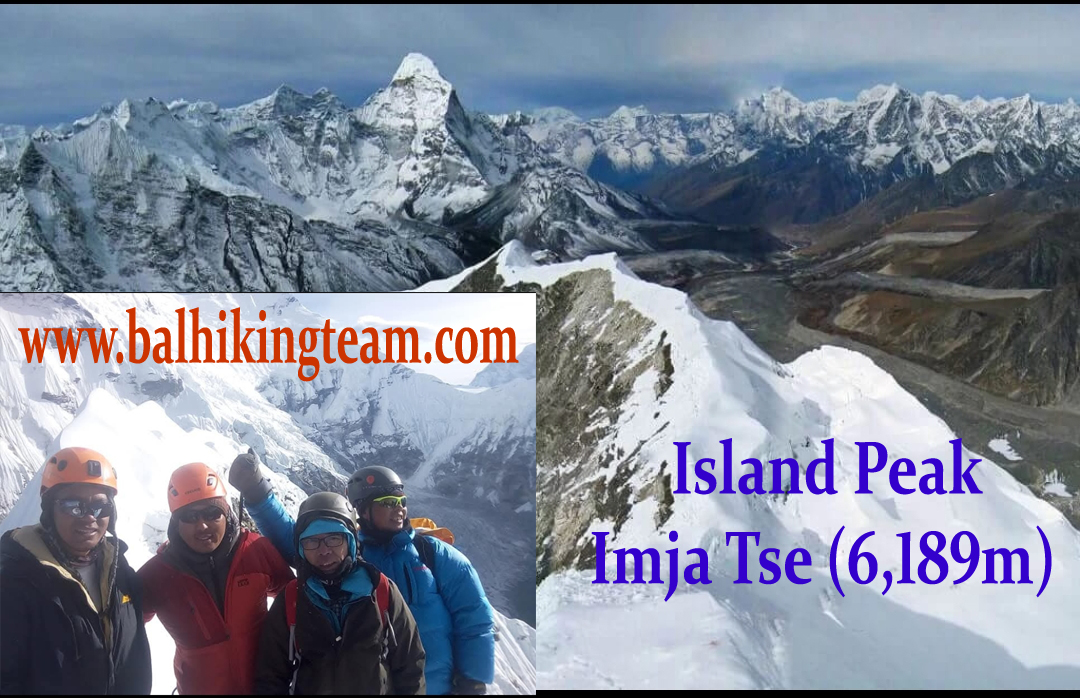
Here’s a suggested 15‑day Island Peak (Imja Tse) itinerary, starting and ending in Kathmandu. It balances acclimatization, trek days and summit push, and can be tailored (e.g. adding rest days) to your pace. Island Peak (Imja Tse, 6 189 m) is one of the most popular “trek‑and‑climb” peaks in the Khumbu region. Its straightforward technical requirements (a short fixed‑rope section) and spectacular summit panorama make it a bucket‑list objective for many trekkers. Here are the major attractions:
Major Highlights of Island Peak Climbing
Breathtaking Summit Panorama:From the 6 189 m summit you get nearly 360° views of Everest (8 848 m), Lhotse (8 516 m), Nuptse, Ama Dablam (6 812 m), Makalu (8 485 m) and the shimmering Imja and Lhotse Glaciers. At sunrise, the mountains light up in golden hues—truly unforgettable.
Glacier Travel & Ice‑fall Experience:The approach to Island Peak includes crossing moraines and navigating the Imja Glacier. You’ll walk on crevassed ice, learn safe rope‑team travel, crevasse rescue basics, and use crampons—great prep for more advanced mountaineering.
Short Technical Summit Push:Unlike a pure trekking peak, Island Peak has a 100 m fixed‑rope section on steep ice near the summit. It’s a manageable “taste” of technical climbing, giving huge satisfaction without extensive prior experience.
Sherpa Culture & High‑Altitude Villages: The normal route runs via Pangboche and Dingboche, traditional Sherpa villages where you can visit monasteries (Pangboche Monastery is oldest in Khumbu) and learn about Buddhist culture, mani walls, and high‑altitude farming practices.
Spectacular Base Camp Setting: Island Peak Base Camp sits at ~5 100 m on a rocky moraine, surrounded by icefalls and towering peaks. It’s a photographer’s dream and a great place to acclimatize and soak in the high‑Himalayan ambiance.
Personal Achievement & Community: Reaching the summit of Island Peak is a profound personal milestone. Many climbers celebrate atop the peak with teammates, forging deep bonds and sharing the joy of high‑altitude adventure.
Whether you’re an aspiring mountaineer looking for your first “real” summit or a trekker craving next‑level altitude thrills, Island Peak delivers an unbeatable combination of culture, scenery, and climbing. Our Island Peak Cost or Price begins from 2400$ Per Person according to Group Size and Climbing seasons.
Island Peak Itinerary Details
Day 1: Arrival in Kathmandu (1,350 m)
- Activities: Land at Tribhuvan Int’l Airport; transfer to hotel
- Highlights: Gear check, permit processing (TIMS & Sagarmatha National Park entry), final shopping
Day 2: Kathmandu → Lukla (2,860 m) → Phakding (2,610 m)
- Flight: 45 min scenic flight to Lukla
- Trek: Lukla → Phakding (≈6 km; 3–4 hrs; + – 250 m)
- Highlights: Crossing Dudh Kosi River, villages of Ghat and Chhuthawa
Day 3: Phakding → Namche Bazaar (3,440 m)
- Trek: 9 km; 6–7 hrs; + 840 m
- Route: Phakding → Monjo (park gate) → Jorsalle → uphill to Namche
- Highlights: First views of Everest massif, Sherpa capital
Day 4: Acclimatization in Namche Bazaar
- Activities:
- Hike to Everest View Hotel (3,880 m; 2–3 hrs round‑trip)
- Explore Sherpa Culture Museum, local markets
- Purpose: Aid acclimatization; rest
Day 5: Namche Bazaar → Tengboche (3,860 m)
- Trek: 10 km; 5–6 hrs; + 420 m
- Highlights: Tengboche Monastery, panoramic views of Everest, Ama Dablam, Lhotse
Day 6: Tengboche → Dingboche (4,360 m)
- Trek: 12 km; 5–6 hrs; + 500 m
- Route: Descend into Imja Khola valley, then climb to Dingboche
- Highlights: Imja Valley vistas
Day 7: Acclimatization in Dingboche
- Activities: Hike to Nagarjun Hill (5,100 m; 3–4 hrs round‑trip)
- Purpose: Improve red‑blood‑cell production; rest
Day 8: Dingboche → Chhukung (4,730 m)
- Trek: 6 km; 3–4 hrs; + 370 m
- Highlights: Views of Island Peak’s west face
Day 9: Chhukung → Island Peak Base Camp (5,200 m)
- Trek: 5 km; 3–4 hrs; + 470 m
- Camp: Tents; toilet tent; simple meals
Day 10: Base Camp → High Camp (5,700 m) → back to Base Camp
- Trek: 4 hrs up (+ 500 m), 2–3 hrs down
- Purpose: Load carry, route fixing, practice scrambling
Day 11: Summit Day & Return to Chhukung
- Start: ~2 AM from Base Camp
- Summit: Imja Tse (6,189 m) by rope iced ridge & fixed line
- Descent: Return to Base Camp then down to Chhukung (≈8–10 hrs total)
Day 12: Chhukung → Tengboche
- Trek: 10km; 4–5 hrs; – 370 m
- Highlights: Celebrate summit over a hot meal
Day 13: Tengboche → Namche Bazaar
- Trek: 10 km; 5–6 hrs; – 420 m
Day 14: Namche Bazaar → Lukla
- Trek: 20 km; 7–8 hrs to Lukla, you walk today through the Monjo and Phakding to Lukla 7 to 8 hours around.
Day 15: Lukla → Kathmandu
- 45‑min flight
- Flight: Lukla → Kathmandu
- Evening: Optional celebration dinner in Thamel according to Itinerary and Service info.
Climbing Equipment for Island Peak
Here is a comprehensive equipment checklist for Island Peak (Imja Tse) Climb (6,189 m), which includes both trekking and climbing gear:
Trekking Gear
Clothing:
- Base layers (thermal top & bottom)
- Trekking shirts (quick-dry, long sleeve)
- Fleece jacket or warm mid-layer
- Down jacket (heavy for high altitudes)
- Waterproof shell jacket & pants (Gore-Tex or similar)
- Trekking pants (2–3 pairs)
- Insulated pants (for base camp or summit night)
- Lightweight gloves & warm insulated gloves/mittens
- Warm hat/beanie & sun hat/cap
- Buff or neck gaiter
Footwear:
- Trekking boots (broken-in, waterproof)
- Camp shoes/sandals
- Trekking socks (4–5 pairs) + thermal socks (2–3 pairs)
- Gaiters (for snow or loose gravel)
Backpacks:
- Main duffel bag (60–80L, usually carried by porter)
- Daypack (30–40L for daily carry)
- Waterproof pack cover
(Required above base camp)
- Mountaineering boots (double insulated, e.g., La Sportiva G2 Evo)
- Crampons (compatible with boots)
- Ice axe (standard mountaineering type)
- Climbing harness
- Helmet (UIAA/CE certified)
- Carabiners (2 locking, 2 non-locking)
- Ascender/jumar
- Belay/rappel device (ATC or figure-8)
- Prusik loops or slings (1–2)
- Trekking poles (adjustable, with snow baskets)
Sleeping Gear
- Sleeping bag (rated -15°C to -20°C or lower)
- Sleeping bag liner (optional but adds warmth)
- Sleeping pad (foam or inflatable, if camping)
Accessories
- Headlamp (with extra batteries)
- UV-protection sunglasses (category 4)
- Sunscreen (SPF 50+) & lip balm
- Water bottles (2 x 1L) or hydration bladder
- Water purification (tablets, SteriPEN, or filter)
- Thermos flask (for summit day)
- First aid kit (include altitude meds, blister care)
- Toiletries (toilet paper, wet wipes, toothbrush)
- Towel (quick-dry), hand sanitizer
- Camera/phone with power bank or solar charger
Documents & Misc
- Passport, permits (TIMS, Sagarmatha National Park), insurance
- Cash (Nepali rupees, for lodges and tips)
- Map/guidebook (optional)
Best Climbing Season for Island Peak
For Island Peak (6,189 m), you’ll almost always choose one of the two “windows” when Nepal’s weather is at its most stable and the skies are clearest:
- Spring (Pre‑Monsoon): Mid‑April to Early June
- Pros:
- Generally steady high‑pressure systems give clear skies and excellent views of Everest‑Lhotse.
- Moderate daytime temperatures (–5 °C to +10 °C at high camps).
- Rhododendron forests below Pangboche are in bloom, adding color to the trek.
- Cons:
- As you approach June, afternoons can bring spotty clouds and brief snow showers.
- Popular season ⇒ more trekkers on the trail and at lodges.
- Pros:
- Autumn (Post‑Monsoon): Mid‑September to Early November
- Pros:
- Monsoon wash‑out dust and pollutants, so the mountains are ultra‑crisp.
- Stable, dry weather with very low chance of rain or late‑day snow.
- Slightly cooler nights than spring, reducing melting––firmer snow underfoot.
- Cons:
- Night‑time lows can dip to –15 °C at high camps, so good down‑gear is essential.
- Also very popular: permits and flights can book up fast.
- Pros:
Why Not Other Times?
- Monsoon (June–Mid‑September): Heavy snowfall at altitude, leeches in lower forests, and frequent route closures.
- Winter (December–February): Extremely cold (–20 °C+), high winds, shorter daylight hours, and avalanche risk.
Tips for Timing
- Book Early: Especially for autumn, secure your permit, flight, and teahouse bookings by May/June.
- Aim for the Moon: Try to summit on or near a full moon—nights are brighter for snow travel and you can save on headlamp batteries!
- Acclimatize Well: Both seasons still require careful acclimatization; plan rest days at Dingboche or Chhukung.
Here’s a typical breakdown of what’s included and excluded in an Island Peak climbing package. Keep in mind that exact services may vary slightly by operator, so always double‑check your specific itinerary.
Included Services for Island Peak
- Permits & Fees
- Island Peak Climbing Permit
- Sagarmatha National Park Entry Permit (NPR 3,000)
- Khumbu Pasang Lhamu Rural Municipality Entrance Fee (NPR 2,000)
- Domestic Transport
- Round‑trip ground transfer: Kathmandu ↔ Lukla (flight or jeep, as per itinerary)
- Guides & Porters
- Experienced, English‑speaking Sherpa (licensed climbing guide)
- Support staff (number of porters depending on group size)
- Accommodation
- Tea‑house (lodge) stays in Namche, Dingboche, Chhukung, etc., on twin‑share basis
- Meals
- Breakfast, lunch & dinner (lodge‑style) on trek days
- Climbing Support
- Group climbing ropes, ladders, fixed lines on Island Peak
- Standard mountaineering equipment shared (ice axes, crampons; clients bring personal gear)
- Climbing guide assistance and rope fixing on summit day
- Emergency & Logistics
- Group first‑aid kit and oxygen cylinder (for high‑altitude emergencies)
- Radio or satellite phone for emergencies
- Staff Insurance & Wages
- All staff salaries, insurance, and government contributions
- Bal Hiking Team Duffel Bag
- First Aid kit Box from Bal Hiking Team
- Island Peak Summit Certificate
Airport Pick and Drop Transport Services
Excluded Services for Island Peak
- International Flights & Visas
- Kathmandu → Home country (airfare)
- Nepal Entry Visa fee (approx. USD 30 for 30 days)
- Personal Trekking Gear
- Sleeping bag, down jacket, trekking boots, personal climbing harness, etc.
- Travel & Rescue Insurance
- Mandatory high‑altitude rescue/evacuation insurance (to be arranged by you)
- Tips & Gratitude
- Gratitude for guides, porters, cooks, and drivers (typical: USD 5–10 per day per staff)
- Beverages & Extras
- Tea‑house drinks (coffee, soda, hot lemon), bar bills
- Wi‑Fi or charging fees at lodges
- Hot showers (usually USD 2–3 per shower)
- Personal Expenses
- Souvenirs, phone/data SIM, battery banks
- Optional Activities
- Helicopter rescue (unless in true emergency)
- Side‑trek extensions (e.g., Gokyo Lakes, Everest Base Camp)
- Tips for Permits/Local Fees
- Any new or additional local government fees introduced after booking
-Hotel Service has been not included
Notes & Recommendations for Island Peak
- Clothing/Equipment Rental: You can rent many items (down jacket, crampons, harness) in Kathmandu for a modest fee—good option if you don’t own all gear.
- Insurance: Make sure your travel insurance covers helicopter evacuation above 6,000 m.
- Tipping Etiquette: Plan roughly USD 200–250 per client total for your climbing crew (distributed among guides, cooks, porters).
Detail Itenerary
-
Island Peak Itinerary Details
Day 1: Arrival in Kathmandu (1,350 m)
- Activities: Land at Tribhuvan Int’l Airport; transfer to hotel
- Highlights: Gear check, permit processing (TIMS & Sagarmatha National Park entry), final shopping
Day 2: Kathmandu → Lukla (2,860 m) → Phakding (2,610 m)
- Flight: 45 min scenic flight to Lukla
- Trek: Lukla → Phakding (≈6 km; 3–4 hrs; + – 250 m)
- Highlights: Crossing Dudh Kosi River, villages of Ghat and Chhuthawa
Day 3: Phakding → Namche Bazaar (3,440 m)
- Trek: 9 km; 6–7 hrs; + 840 m
- Route: Phakding → Monjo (park gate) → Jorsalle → uphill to Namche
- Highlights: First views of Everest massif, Sherpa capital
Day 4: Acclimatization in Namche Bazaar
- Activities:
- Hike to Everest View Hotel (3,880 m; 2–3 hrs round‑trip)
- Explore Sherpa Culture Museum, local markets
- Purpose: Aid acclimatization; rest
Day 5: Namche Bazaar → Tengboche (3,860 m)
- Trek: 10 km; 5–6 hrs; + 420 m
- Highlights: Tengboche Monastery, panoramic views of Everest, Ama Dablam, Lhotse
Day 6: Tengboche → Dingboche (4,360 m)
- Trek: 12 km; 5–6 hrs; + 500 m
- Route: Descend into Imja Khola valley, then climb to Dingboche
- Highlights: Imja Valley vistas
Day 7: Acclimatization in Dingboche
- Activities: Hike to Nagarjun Hill (5,100 m; 3–4 hrs round‑trip)
- Purpose: Improve red‑blood‑cell production; rest
Day 8: Dingboche → Chhukung (4,730 m)
- Trek: 6 km; 3–4 hrs; + 370 m
- Highlights: Views of Island Peak’s west face
Day 9: Chhukung → Island Peak Base Camp (5,200 m)
- Trek: 5 km; 3–4 hrs; + 470 m
- Camp: Tents; toilet tent; simple meals
Day 10: Base Camp → High Camp (5,700 m) → back to Base Camp
- Trek: 4 hrs up (+ 500 m), 2–3 hrs down
- Purpose: Load carry, route fixing, practice scrambling
Day 11: Summit Day & Return to Chhukung
- Start: ~2 AM from Base Camp
- Summit: Imja Tse (6,189 m) by rope iced ridge & fixed line
- Descent: Return to Base Camp then down to Chhukung (≈8–10 hrs total)
Day 12: Chhukung → Tengboche
- Trek: 6 km; 4–5 hrs; – 370 m
- Highlights: Celebrate summit over a hot meal
Day 13: Tengboche → Namche Bazaar
- Trek: 10 km; 5–6 hrs; – 420 m
Day 14: Namche Bazaar → Lukla
- Trek: 20 km; 7–8 hrs to Lukla, you walk today through the Monjo and Phakding to Lukla 7 to 8 hours around.
Day 15: Lukla → Kathmandu
- 45‑min flight
- Flight: Lukla → Kathmandu
- Evening: Optional celebration dinner in Thamel according to Itinerary and Service info.
Array
Included in the Cost
- Permits & Fees
- Island Peak Climbing Permit
- Sagarmatha National Park Entry Permit (NPR 3,000)
- Khumbu Pasang Lhamu Rural Municipality Entrance Fee (NPR 2,000)
- Domestic Transport
- Round‑trip ground transfer: Kathmandu ↔ Lukla (flight or jeep, as per itinerary)
- Guides & Porters
- Experienced, English‑speaking Sherpa (licensed climbing guide)
- Support staff (number of porters depending on group size)
- Accommodation
- Tea‑house (lodge) stays in Namche, Dingboche, Chhukung, etc., on twin‑share basis
- Meals
- Breakfast, lunch & dinner (lodge‑style) on trek days
- Climbing Support
- Group climbing ropes, ladders, fixed lines on Island Peak
- Standard mountaineering equipment shared (ice axes, crampons; clients bring personal gear)
- Climbing guide assistance and rope fixing on summit day
- Emergency & Logistics
- Group first‑aid kit and oxygen cylinder (for high‑altitude emergencies)
- Radio or satellite phone for emergencies
- Staff Insurance & Wages
- All staff salaries, insurance, and government contributions
- Bal Hiking Team Duffel Bag
- First Aid kit Box from Bal Hiking Team
- Island Peak Summit Certificate
-Airport Pick and Drop Transport Services
Not Included in the Cost
- International Flights & Visas
- Kathmandu → Home country (airfare)
- Nepal Entry Visa fee (approx. USD 30 for 30 days)
- Personal Trekking Gear
- Sleeping bag, down jacket, trekking boots, personal climbing harness, etc.
- Travel & Rescue Insurance
- Mandatory high‑altitude rescue/evacuation insurance (to be arranged by you)
- Tips & Gratitude
- Gratitude for guides, porters, cooks, and drivers (typical: USD 5–10 per day per staff)
- Beverages & Extras
- Tea‑house drinks (coffee, soda, hot lemon), bar bills
- Wi‑Fi or charging fees at lodges
- Hot showers (usually USD 2–3 per shower)
- Personal Expenses
- Souvenirs, phone/data SIM, battery banks
- Optional Activities
- Helicopter rescue (unless in true emergency)
- Side‑trek extensions (e.g., Gokyo Lakes, Everest Base Camp)
- Tips for Permits/Local Fees
- Any new or additional local government fees introduced after booking
-Hotel Service has been not included
0 Reviews on Island Peak View All
Related Packages
-
Trip Grade: Easy
Leave a Reply